
Doctoral Candidates

Lorenzo Daniel García gámez (DC1)
My project aims to produce and explore new insights into amphiphilic glycomacromolecules by mimicking natural glycosaminoglycans in their headgroup for the construction of liposomes and vesicles formulations for RNA delivery. The employ of this sequentially coupled building blocks, similar to solid-phase peptide chemistry, will allow to obtain monodisperse oligo- and polymers. These polymeric systems could replicate biological features, such as those of a sugar ligand or peptide motif with enhanced stability, lower toxicity, and immunogenicity. The project will also include secondments at Max Planck Biophysics Institute and Imperial College London. EMAIL

martina salmi (DC2)
In this project, I will design and develop ligand-functionalized lipid nanoparticles aimed at specifically targeting lymphocyte populations for advanced immunotherapy strategies. The work will involve the synthesis of ionizable lipids capable of complexing mRNA, which will act as the therapeutic payload. Surface modification of the nanoparticles with small molecules, peptides, or protein-based ligands will be performed to enable selective binding to target cells. A key aspect of the research will be to study how the density of these ligands influences the nanoparticles’ immunobiological behavior both in vitro and in vivo, including their targeting efficiency and therapeutic performance in preclinical mouse tumor models. In addition to cell targeting, the project will also investigate the biodistribution and immune activation potential of the functionalized nanoparticles..

maria stratoudaki (DC3)
Current lipid-based mRNA delivery systems were not originally designed to facilitate the immunostimulatory responses required for strong, long-lasting immunity, nor to modulate the immune fingerprint of mRNA vaccines. A major challenge in this field is that many classical immunomodulators activate signaling pathways that can inhibit mRNA translation. Therefore, the objective of this PhD project is to design lipid nanoparticle (LNP) formulations specifically optimized for RNA vaccine delivery. The key innovation is the incorporation of next-generation saponins, with the aim of safely inducing a potent adjuvant effect that promotes a specialized immune profile, without compromising the transfection efficiency. Ultimately, this is expected to enhance the overall efficacy of mRNA vaccines, allowing for dose sparing and improved safety. A series of LNP constructs carrying non-classical immunomodulators will be formulated and characterized. These LNP constructs will be screened in vitro to quantify the potency of immune stimulation versus transfection efficiency. Finally, selected candidates will be evaluated in vivo to investigate transfection efficiency, immune responses, and the reactogenicity/safety profile of the novel vaccine platform. EMAIL
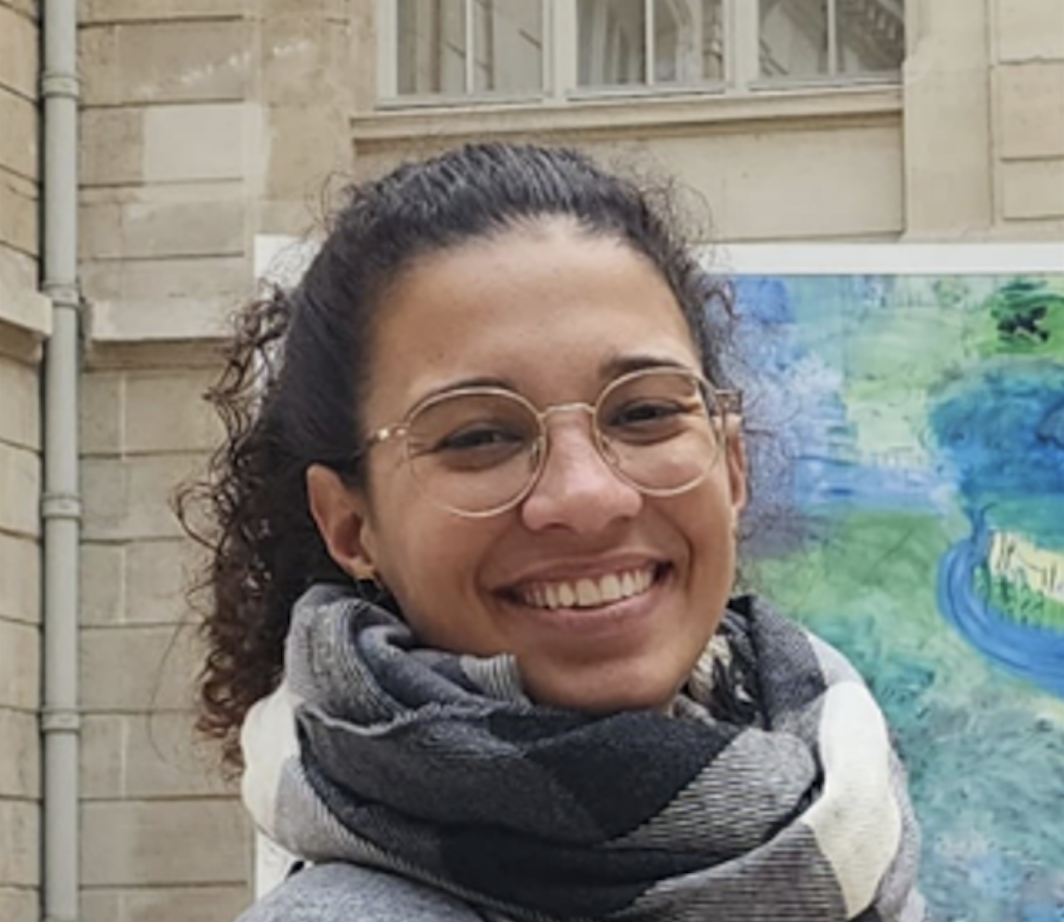
sussette PALACIO (DC5)
My project aims to develop polymer building blocks for use in polymer-based nanomedicines. These polymers will be designed to work in combination with lipids and should enable efficient encapsulation and targeted delivery of nucleic acid therapeutics. The research will focus on synthesizing a polymer library using controlled radical polymerization techniques, incorporating functional groups such as protonatable side chains and alkyl moieties. In addition, there will be collaborative secondments at CIPF Valencia and Imperial College London, offering a multidisciplinary and international research environment. EMAIL

Marco Halbeisen (DC7)
The primary objective of my project is to engineer an extracellular matrix (ECM) mimic by integrating glycocalyx components. By incorporating these components into model membranes, such as Giant Unilamellar Vesicles (GUVs) and Supported Lipid Bilayers (SLBs), the aim is to closely replicate physiological surface interactions. These model systems will allow for in-depth studies of membrane dynamics and ligand-receptor interactions. The research will examine how this mimicry affects key membrane properties, including tension, permeability, fluidity, and stability, as well as its impact on receptor-ligand interactions. EMAIL

prakriti patnaik (DC9)
My project will focus on the development of Janus vesicles. With their intrinsic asymmetry, they hold significant promise for
targeted drug delivery through a variety of self-propulsion mechanisms. Based on simple predictions using Flory-Huggins theory, we have recently demonstrated the formation of polymersomes with Janus-like morphology, paving the way for their asymmetric functionalization and for studying their individual and collective dynamics. We aim at designing and developing a new generation of self-propelled particles, based on fully biocompatible carriers made of polymersomes that can load both hydrophobic
drugs and hydrophilic oligonucleotides, chemically powered by the enzymatic decomposition of glucose fuel. The resulting motion based on chemotaxis will accumulate and follow the glucose gradient, allowing stronger accumulation in the tumor environment and/or allowing for active transport to the blood-brain barrier. In the last case, further conjugation with brain-penetrating peptides (BPPs) proposed by DC18 will also be explored to improve the system. EMAIL

Elena grobecker (DC11)
This project will focus on using high-throughput screening to explore the design parameters governing cell type-specific delivery of mRNA-loaded lipid nanoparticles (LNPs). To do so, the influence of different lipids, lipid ratios, PEG chain, and targeting moieties will be explored. Using design of experiments, large numbers of LNPs will be prepared, and their delivery efficacy and specificity analysed by monitoring in vitro and in vivo readout in relevant biological models. From this, design trends for delivery across different targets can be identified. The overall goal of the project is to provide a more comprehensive design principle to the future nanomedicine to achieve more efficient nucleic acid delivery with minimised side effects. EMAIL

Muhammed Harris (DC13)
The focus of my project is to design and develop di-block polymeric micelle complexes for targeted intracellular delivery of nucleic acids. Block copolymers will be synthesized with enhanced buffering capacity in the endosomal pH range to facilitate endosomal escape. These micelles will encapsulate therapeutic nucleic acids such as siRNA, mRNA or plasmid DNA and form stable complexes capable of protecting them from enzymatic degradation. The micelles will be further functionalized with targeting ligands to ensure cell-specific uptake. A comprehensive evaluation of their physicochemical properties, complexation efficiency, and intracellular trafficking will be performed in relevant cell models. This platform aims to overcome critical barriers in gene delivery and enhance therapeutic efficacy. EMAIL

paraskevi Tsodoulou (DC15)
LNP–mRNA technology offer a promising avenue for next-generation CAR-T cell therapies. This project aims to develop an in vivo platform for the generation of CAR-T cells using conventional or self-amplifying mRNAs (saRNA) delivered by lipid nanoparticles (LNPs). By eliminating the need for ex vivo T cell manipulation, this approach seeks to simplify the production process and enhance clinical accessibility. The focus lies on identifying LNP formulations that preferentially target splenic T cells following systemic administration, enabling efficient and selective in situ transfection. To improve targeting specificity, nanobodies against T cell-specific surface markers will also be employed. In parallel, several CAR constructs will be designed and encoded into mRNA or saRNA formats for delivery, followed by evaluation in relevant cancer mouse models. EMAIL

matilde capra (DC17)
The main focus of my project will be the development of multivalent glyco-constructs designed to selectively recognize and bind to specific carbohydrate receptors, known as lectins, on mammalian cells. By leveraging the diverse glycan structures found on glycoproteins and glycolipids, this approach aims to target organs such as the liver, lungs, kidneys, and brain, enhancing receptor specificity for improved nanoparticle interaction. The research will progress from the synthesis of mono-, di-, and tri-saccharides with membrane integrating functionalities to the creation of complex glyco-constructs incorporating four or more carbohydrate units. Since scaffold structure directly influences lectin-binding efficiency, a key objective is to optimize glycopolymer design by varying polymer length, sequence, and linker structures to enhance targeting precision and tailor innate cellular responses. EMAIL

Gabriela Maria aparicio (DC19)
The main focus of my project is to develop robust and scalable methods for the production of lipid- and polymer-based nanoparticles for pharmaceutical applications. The goal is to ensure consistent quality, reproducibility, and yield across different manufacturing scales. To achieve this, I will optimize formulation protocols and integrate advanced characterization techniques capable of monitoring nanoparticle properties in real time during scale-up. This work aims to address critical challenges in the industrial translation of nanomedicines and support the development of scalable, regulatory-compliant production processes. EMAIL

paniz gholamhosseini (DC4)
Proteoglycans are an abundant class of glycan-protein conjugates comprising a membrane-anchored protein chain with pendant sulfated glycosaminoglycan (GAG), e.g., heparan sulfate polysaccharide chains, giving a brush-type structure. They serve as attachment points in various cell-cell interactions and thus modulate processes such as tissue repair and infection. My project is to explore the combination of peptides and polymeric GAG mimetics in a glycomimetic polymer-peptide conjugate to study the effect of peptide attachment, specifically peptide composition and conformation, on the binding to GAG-recognizing cell surface receptors. GAG-mimetic polymer–peptide conjugates will be attached to a lipid to enable their formulation into liposomes and vesicles, and subsequently investigated for targeted RNA delivery. EMAIL

ritika soni (DC6)
My research, titled “Block Copolymer PICsomes and GUVs: From New Polyplexes to Biophysical Analysis”, focuses on the development of block copolymer-based polyion complex vesicles (PICsomes) and giant unilamellar vesicles (GUVs), with the aim of designing new polyplex structures and studying their biophysical properties.The project involves synthesizing polypeptide based block copolymers using polyethylene glycol (PEG) and polysaccharide derived macroinitiators via a PISA (Polymerization Induced Self Assembly) approach ultimately exploring their formulation and biophysical properties for potential applications in drug delivery systems. Such advancements contribute to the broader effort of shaping future biomedical treatment approaches through innovative polymer based nanostructures. EMAIL

jinwei liu (DC8)
My project focuses on constructing polymer-based nanoparticles with a motor function that can actively deliver nucleic acid therapeutics into living cells. The motor function of nanoparticles is anticipated to enhance cell membrane penetration, thereby improving both the intracellular delivery and cytoplasmic accumulation of the nucleic acid therapeutics. This enhancement enables the therapeutics to exert their biological effects more efficiently. Specifically, we will be working on the preparation of the polymer building blocks, their self-assembly into bowl-shaped vesicles with motile features, and their loading with therapeutic cargo. Furthermore, cell uptake experiments will be conducted to evaluate the interaction between the nucleic acid therapeutics and cells. EMAIL

Juan heredero García (DC10)
This interdisciplinary research project lies at the interface of biophysics and drug delivery, focusing on the fundamental interactions between model membranes and mRNA delivery tools such as polymers and lipid-based carriers. The goal is to elucidate the biophysical principles governing these systems using advanced techniques including microscopy, microfluidics, biophysical characterization methods, and biochemical assays. Embedded within the DTN NATPRIME for mRNA delivery, the project combines cutting-edge approaches in membrane biophysics and synthetic carrier design. Supervised by Prof. Petra Schwille at the Max Planck Institute of Biochemistry (Munich), the work aims to contribute to the rational design of next-generation RNA-based therapeutics and the development of advanced membrane models. EMAIL

tanibet alba o’reilly (DC12)
This project aims to validate polyproline–polyornithine (PLP–PLO) diblock copolymers (mtCPO) as targeted systems for mitochondrial delivery of oligonucleotides. Building upon recent work by the Vicent Group at the Principe Felipe Research Center, which identified polypeptide-based vectors capable of mitochondrial targeting, this research will further develop and optimize these systems. Specifically, the project will focus on the design of polypeptide-based non-viral vectors by complexing PLP–PLP-PLO-derived nanosystems with oligonucleotides using microfluidics as a formulation technique. The resulting delivery platforms will undergo comprehensive physicochemical characterization, bio-nano interaction analysis, and conformational studies in solution. Furthermore, their cytotoxicity and transfection efficiency will be evaluated in both 2D and 3D cancer cell models, culminating in the preclinical validation of the most promising systems. EMAIL

valentina zazza (DC14)
This project aims to develop novel polymeric carriers for use as non-viral vectors in gene delivery, with a focus on forming stable polyplexes. A high-throughput screening protocol will be established, integrating machine learning tools to automate and accelerate the identification of optimal polymeric formulations. Selected candidates will be evaluated in in vitro models of glioblastoma multiforme, and upon results , their structure could be refine with further post-polymerization modifications introduced to enhance gene delivery efficiency, cellular uptake, and/or endosomal escape.
To better replicate the tumor microenvironment, an advanced 3D in vitro glioblastoma model will be developed. This model will enable more physiologically relevant assessment of vector performance and guide the design of active targeting strategies that promote selective interaction with tumor cells. EMAIL
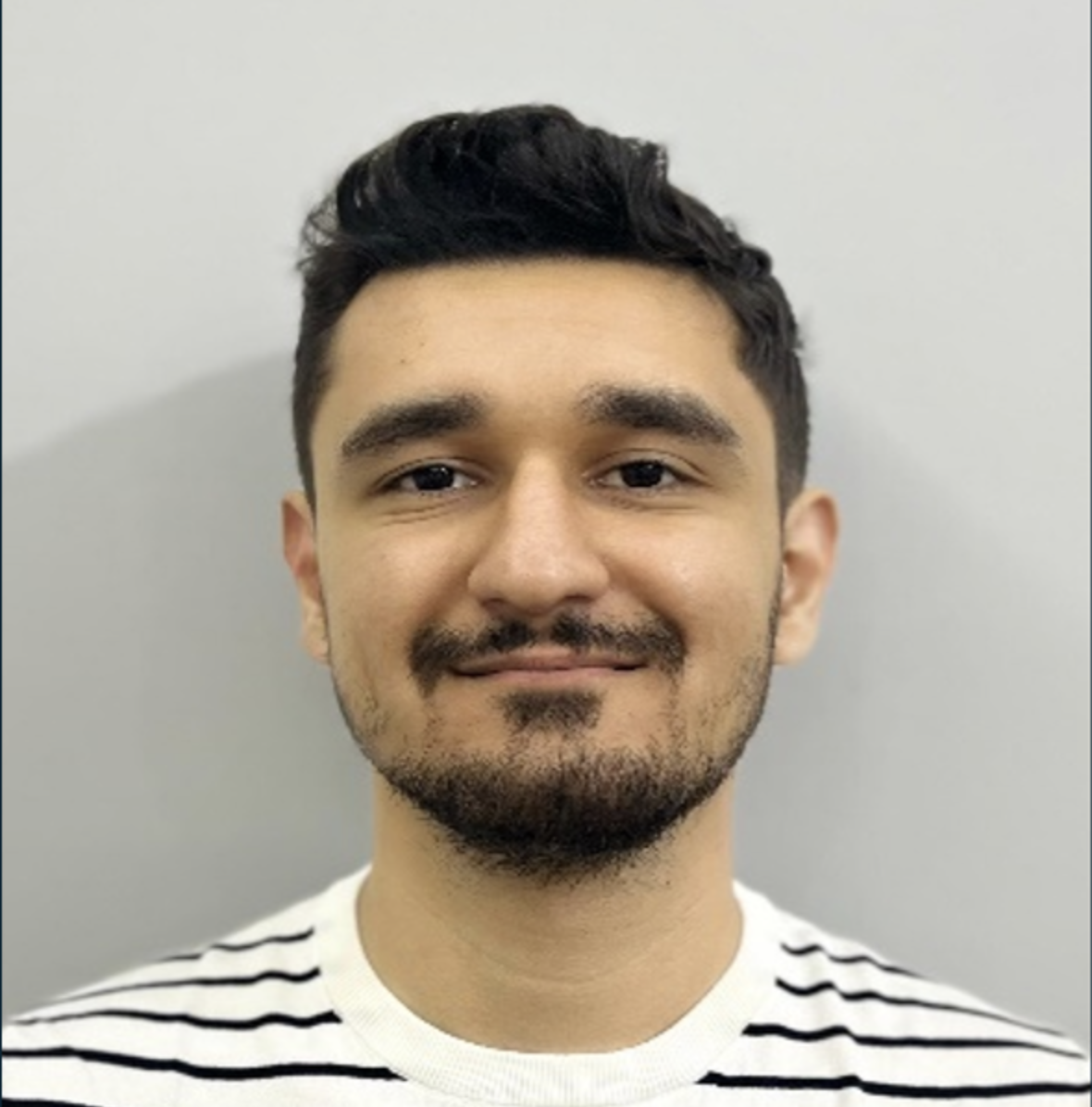
Oguzhan aslanturk (DC16)
My research project will center on systematically developing an extensive library of polymeric lipids derived from poly(2-oxazoline)s. The principal objective of this work is to engineer novel lipid-based materials capable of replacing conventional PEG-lipids in nanoparticle formulations, thereby retaining the essential stealth characteristics and colloidal stability while potentially enhancing functional performance and biocompatibility. A key aspect of my work involves the design and synthesis of a new class of polymeric charged lipids. In particular, I will focus on the preparation of linear polymers of poly(2-alkyl-oxazoline)s functionalized with lipidic side chains. Furthermore, through partial hydrolysis, I aim to obtain linear copolymers of poly(ethyleneimine)-r-(2-alkyl-2-oxazoline)s. These polymeric lipids will be systematically tested and employed in the formulation of both polyplex systems and lipid nanoparticles, with the aim of making nanoparticle-based delivery systems more versatile, stable, and effective. EMAIL
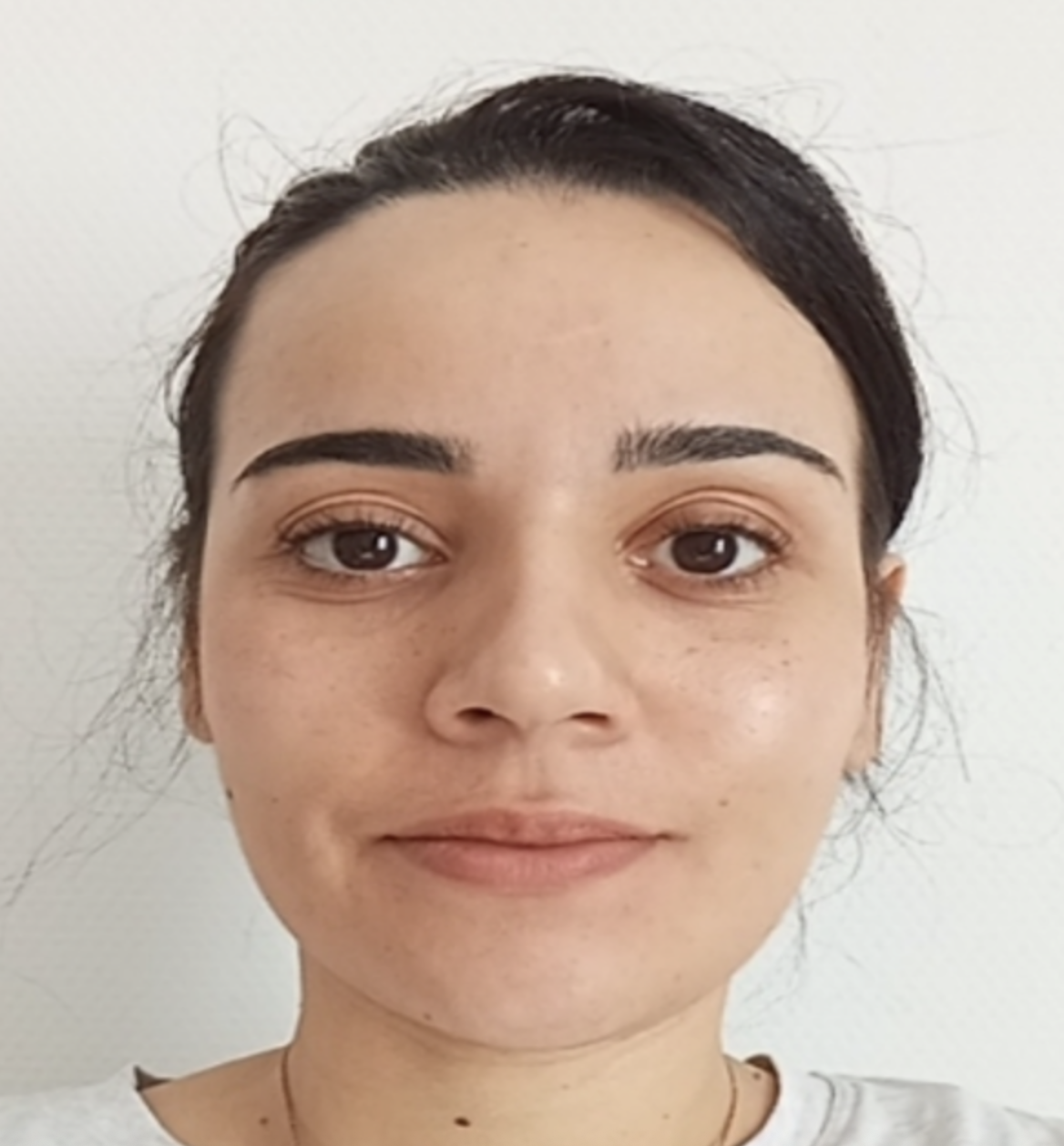
ines lahreche (DC18)
The blood-brain barrier (BBB) is a highly selective semipermeable border that separates the circulating blood from the brain extracellular fluid in the central nervous system (CNS). The BBB is formed by a complex network of endothelial cells, astrocytes, microglia, and pericytes that work together to regulate the movement of substances between the blood and the brain. The BBB plays a vital role in protecting the brain from harmful substances, such as toxins and pathogens, and therefore presents a challenge for delivering therapies to the brain, as many drugs and other molecules are unable to cross the barrier.
The main objective of this project will be to design novel polymeric structures that mimic brain penetrating peptides (BPPs), and can cross cell membranes to efficiently deliver therapeutics to the brain. The project will cover polymer synthesis (controlled radical polymerization), characterization of such complex (macro)molecular building blocks, their subsequent formulation and their use in gene delivery applications. EMAIL
